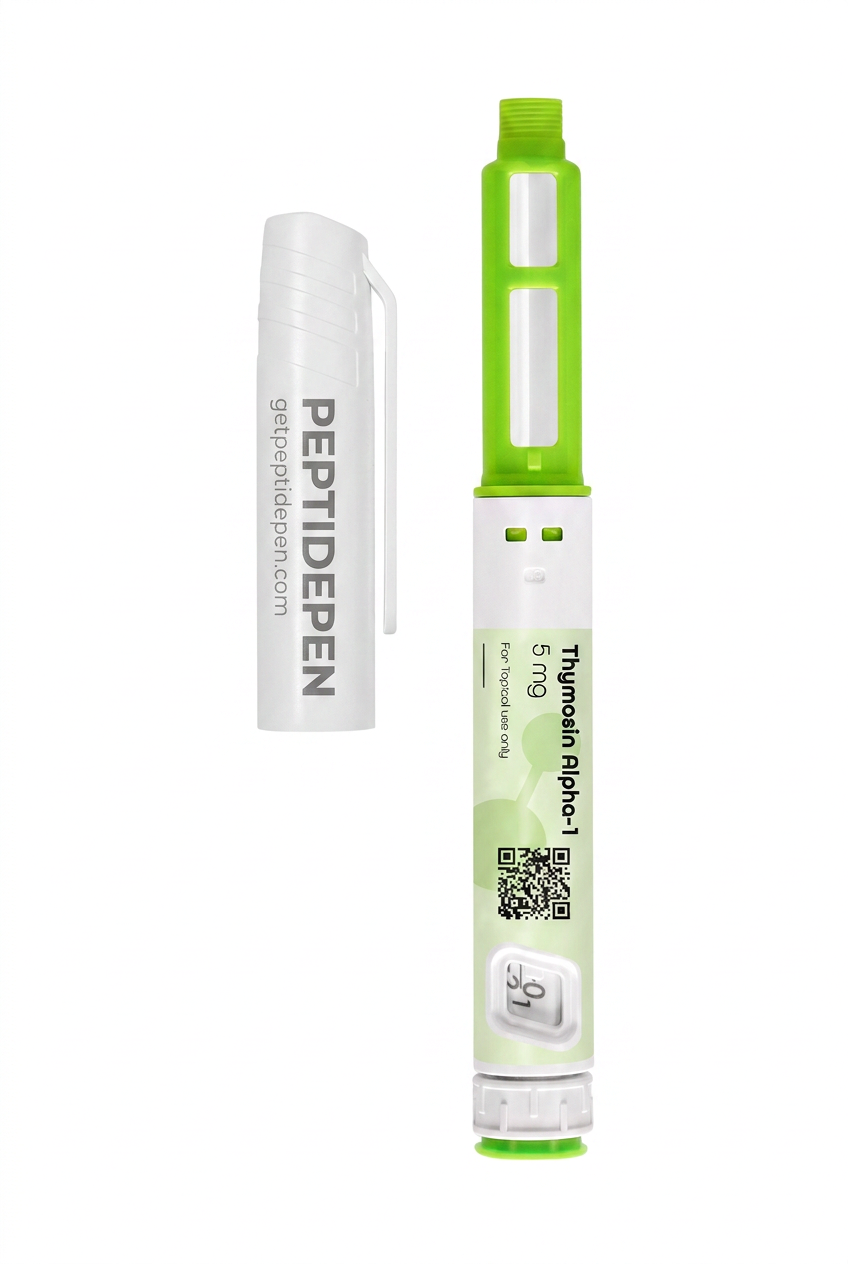
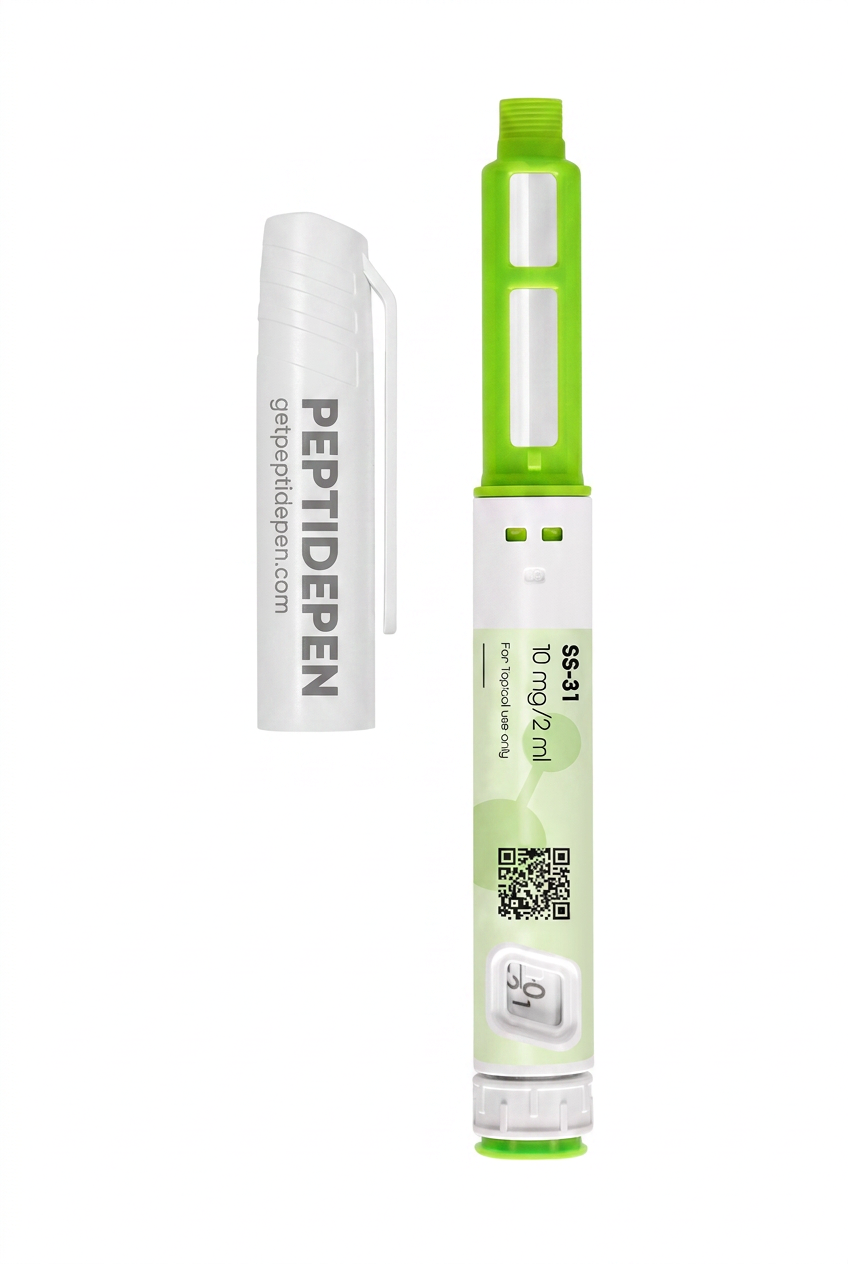
Thymosin Alpha 1 is involved in maintaining normal immune activity and supporting the function of various immune cells. It is being explored for its role in helping the body respond to external stressors, supporting immune balance, and contributing to cellular maintenance processes.
Thymosin Alpha 1 is associated with:
Supporting immune cell signaling and coordination
Modulating immune system responses
Contributing to balanced inflammatory processes
Supporting cellular renewal and repair mechanisms
It is widely studied in the context of immune system regulation and resilience.
Thymosin Alpha 1 has been investigated in research settings related to:
Immune system modulation
Response to viral, bacterial, and other external challenges
Regulation of inflammatory pathways
Support of immune system balance in various conditions
Complementary approaches in immune-related protocols
It is also being explored for its potential role in supporting overall physiological balance and healthy aging processes.
Research observations suggest that Thymosin Alpha 1 may support:
Balanced immune responsiveness
Improved coordination of immune cell activity
Regulation of inflammatory signaling
Support for recovery and resilience
Contribution to cellular protection against oxidative stress
Support of the body's adaptive response mechanisms
Thymosin Alpha 1 has been studied in multiple clinical settings focusing on immune-related conditions. Findings suggest it may act as a supportive agent within broader therapeutic strategies. Its application should always be evaluated by a qualified specialist depending on individual context.
Usage may vary depending on individual protocols and goals. A commonly referenced range is 500–600 mcg per day, corresponding to approximately 20–24 units daily.
The dosing system allows precise adjustment via a rotating dial, where each unit corresponds to one increment.
Application is typically performed in areas such as the abdominal region or upper leg. It is recommended to wait approximately 10 seconds after delivery before removing the device from the skin and to rotate application areas.
A typical protocol duration is around 7 days, depending on the intended use.
1 pen = 200 units
Each unit contains 25 mcg Thymosin Alpha 1
One pen (5 mg total content) typically lasts around 10 days, depending on daily usage
1 unit = 25 mcg
10 units = 250 mcg
20 units = 500 mcg
24 units = 600 mcg
Thymosin Alpha 1 is generally well tolerated; however, individual responses may vary. Reported effects may include:
Mild headache
Muscle discomfort
Slight increase in body temperature
Local skin sensitivity or redness at the application site
If any unusual symptoms occur, consultation with a qualified professional is recommended.