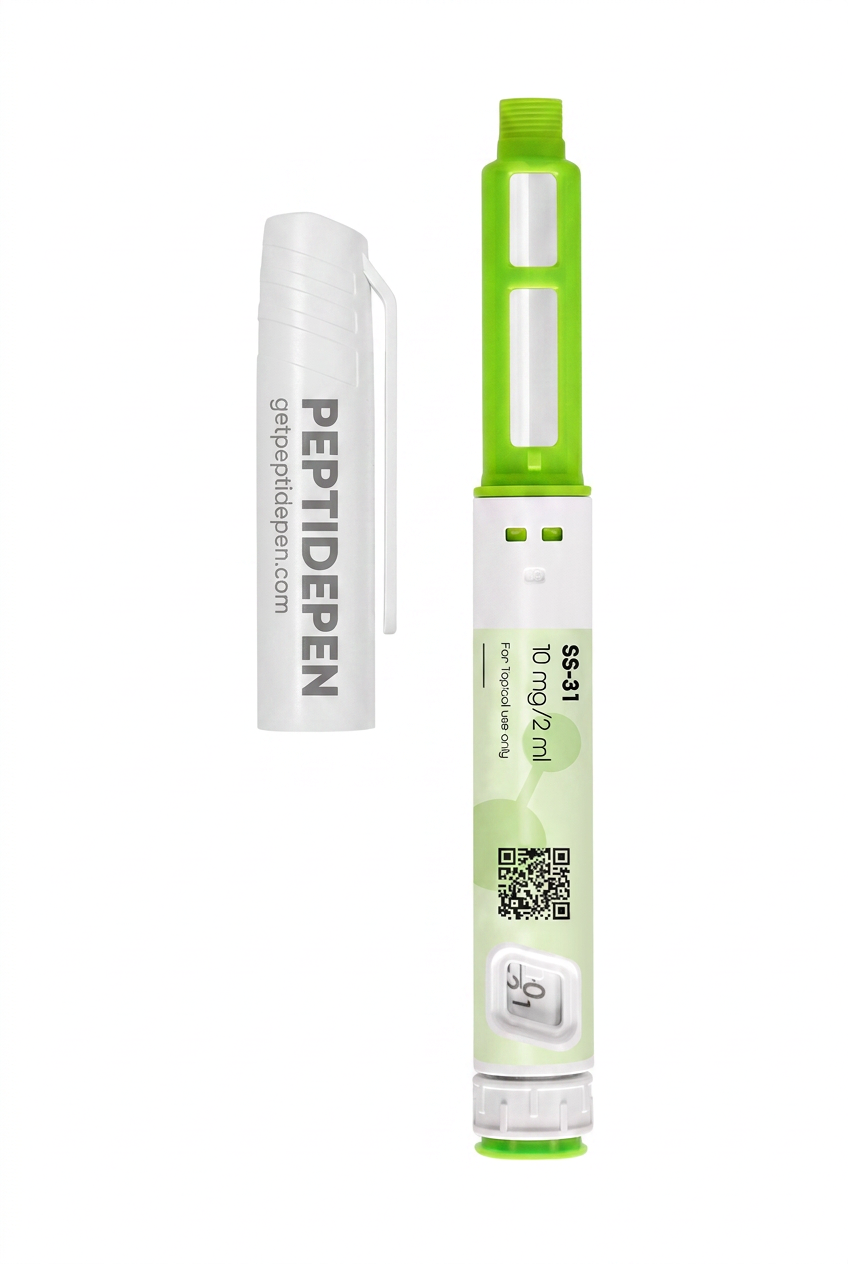
What Are the Benefits of Somatropin (Growth Hormone)?
Somatropin (growth hormone) plays a key role in the human body and offers numerous benefits: — • Stimulates growth: Most known for promoting bone and muscle growth — • Tissue repair and regeneration: Supports recovery from injuries and aids in cell regeneration, important for healthy skin, bones, and organs — • Fat metabolism: Assists in breaking down fats and using them for energy, potentially reducing body fat — • Muscle mass: Encourages muscle growth and improves muscle strength — • Carbohydrate metabolism: Helps regulate blood sugar levels and supports normal glucose concentrations — • Bone density improvement: May positively impact bone strength and help prevent osteoporosis — • Cardiovascular function: Studies suggest it may support heart structure and function — • Brain function: May support cognitive abilities and protect the brain from trauma or age-related decline — • Sleep improvement: May enhance sleep quality by regulating sleep-wake cycles, with peak levels often occurring during deep sleep — • Immune system support: May strengthen the immune response and improve the body's ability to fight infections — • Improved libido and function: Some studies show a positive effect on libido and related functions — • Mental clarity and mood: May contribute to better mood and mental focus
Proper Cycle with Growth Hormone (Somatropin)
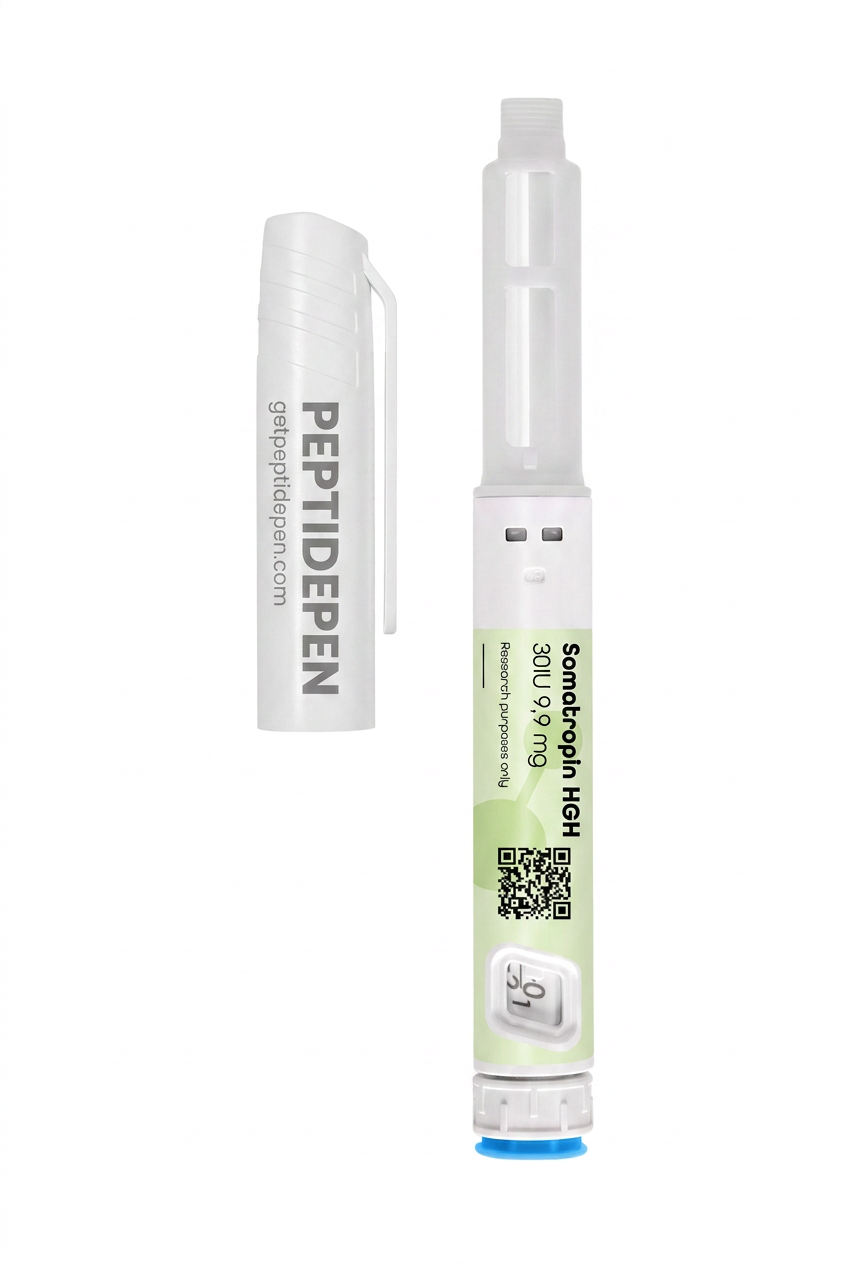
The exact routine and dosage depend on various factors, including the specific goals and the individual's response. — It is recommended to use it at least 1 hour before or after meals, either in the morning or evening. — One pen contains 30 units. — A Somatropin pen (30 IU) will last for 30 days at a dose of 1 unit per day, 15 days at 2 units per day, and 10 days at 3 units per day.
User Opinions on Growth Hormone
• Medical use: Positive changes have been reported in cases of medical application. — • Sports and fitness: In the sports and bodybuilding world, somatropin is sometimes misused. Users often report increased muscle mass and reduced subcutaneous fat. However, many countries regulate its use due to its potential anabolic effect. — • Anti-aging: Some adult users take somatropin (HGH) for its supposed anti-aging effects and report improvements in energy, skin quality, and overall vitality.
Note: User feedback should not replace professional medical advice.
Possible Side Effects of Somatropin
Side effects from somatropin use may vary depending on dosage, duration, and individual response. Some of the more commonly observed effects include: — • Mild swelling: Especially in the limbs, due to fluid retention; usually temporary and resolves with dose adjustment — • Muscle or joint discomfort: Mild soreness or tightness as the body adapts — • Skin irritation at application sites: Rare reports of redness or discomfort in the area of use — • Headaches: May occur at the start of a cycle — • Fatigue: Metabolic changes can lead to temporary tiredness while adjusting — These side effects are typically mild and manageable. If they intensify, consultation with a qualified specialist is recommended to review the protocol.
Use of Human Growth Hormone (HGH) – Somatropin in Sports
Somatropin is popular in many sports and fitness communities due to its reputation for aiding recovery, increasing muscle mass, and improving physical performance. However, HGH use in sports is often controversial and regulated by organizations such as the World Anti-Doping Agency (WADA).
Key areas of use include: — • Increased muscle mass and strength: Thought to support muscle growth and improve power, which is beneficial in strength-based sports — • Enhanced recovery: Supports tissue repair after intense training or injury — • Reduction of body fat: Often associated with lowering body fat, helpful in weight-class sports — • Anti-aging and career longevity: Some athletes believe HGH helps delay aging and extend athletic performance, though this remains debated and lacks conclusive scientific support — • Improved endurance and performance: Some claim HGH enhances cardiovascular endurance, aiding performance in stamina-based sports