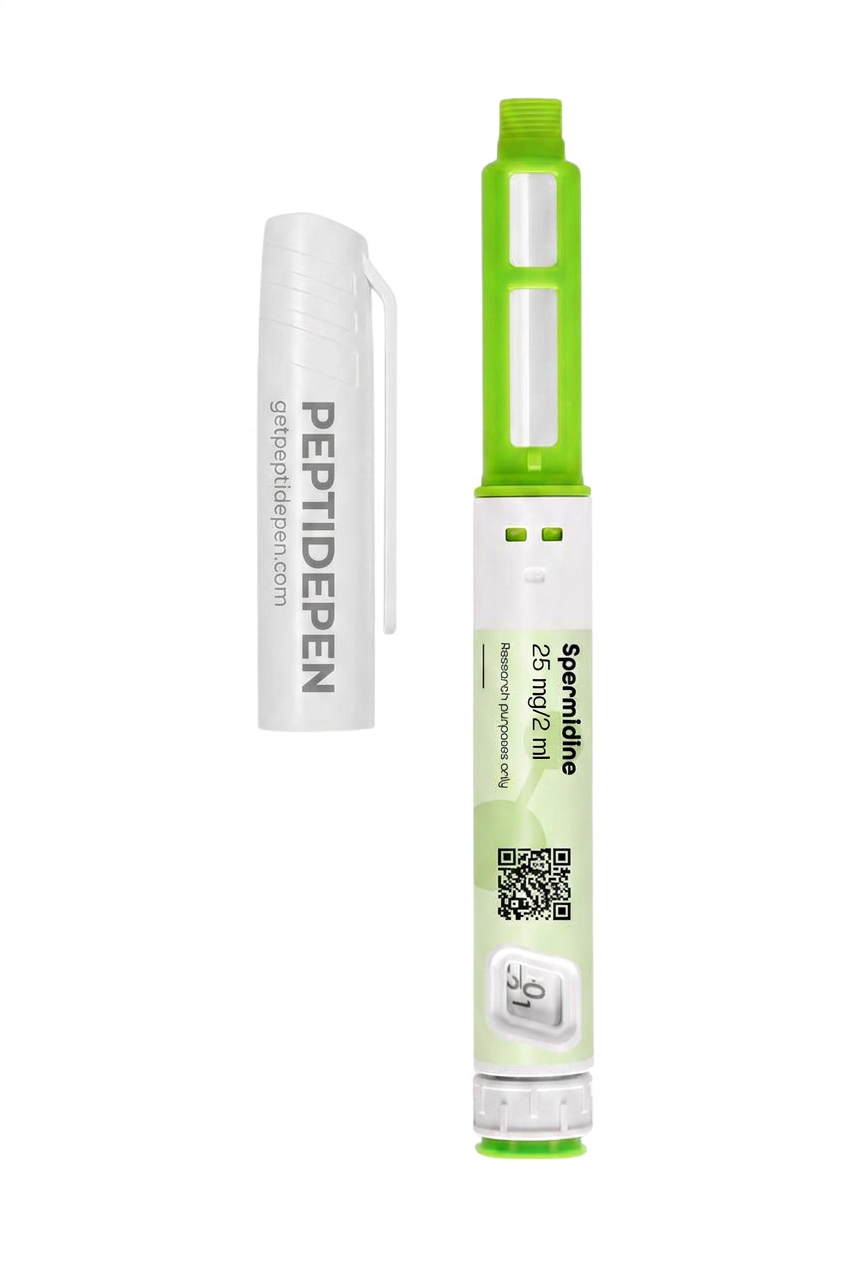
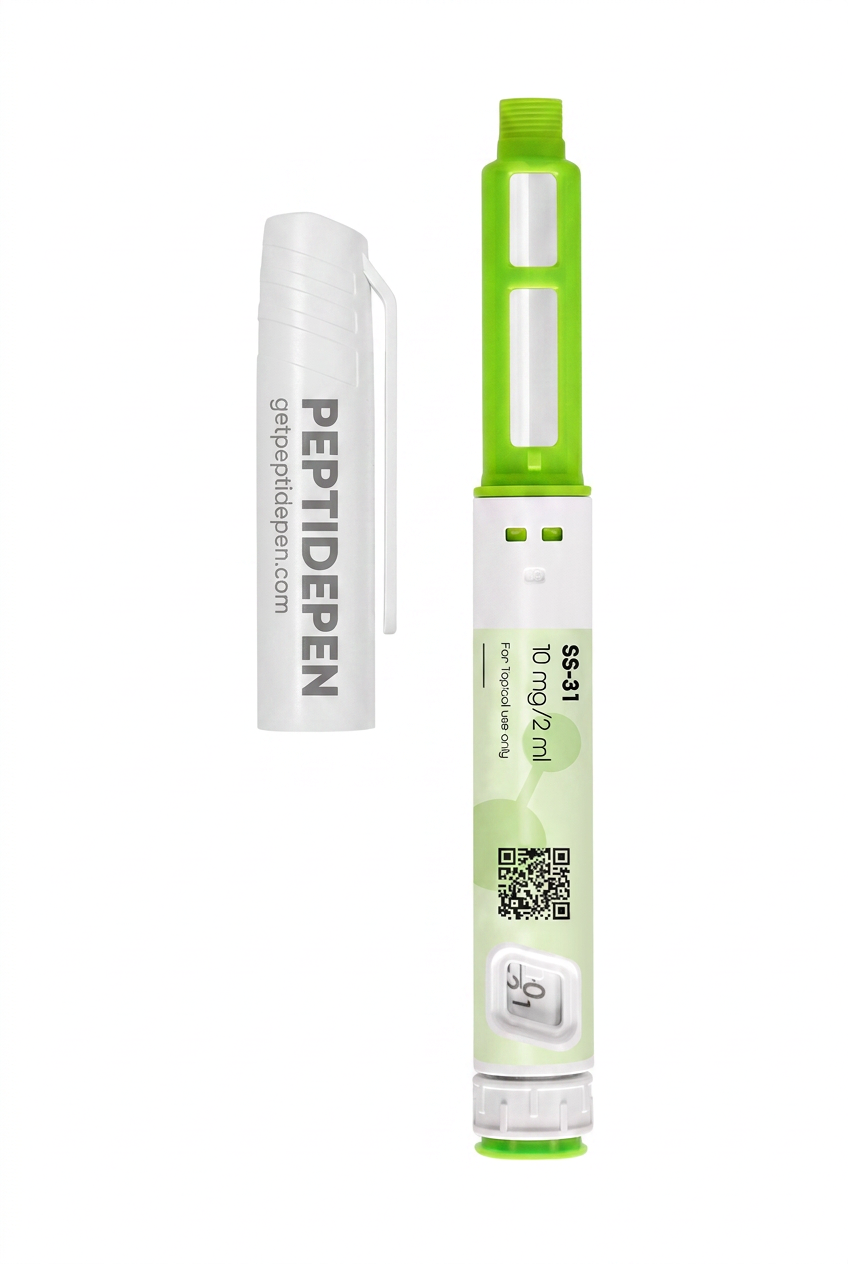
It offers a scientifically precise, stable, and user-friendly solution tailored for cutting-edge research in longevity science, autophagy, and epigenetic regulation. It is ideal for researchers seeking targeted, high-purity interventions to support cellular health and biological renewal.
What Makes Spermidine Unique?
Spermidine is a naturally occurring polyamine whose levels decline with age. It is widely studied for its role in maintaining cellular health and promoting longevity through several critical mechanisms:
● Autophagy Stimulation: Enhances intracellular pathways that clear damaged organelles and toxins, supporting cellular renewal and protection against aging. — ● Mitochondrial Function Support: Stabilizes mitochondrial membranes, boosts ATP production, and reduces oxidative stress, essential for energy metabolism and resilience. — ● Epigenetic Regulation: Modifies histone protein structure, influencing gene expression related to cell division, inflammation, and tissue repair. — ● Neuroprotection & Cognitive Support: Potentially delays neurodegenerative changes by reducing neuroinflammation and enhancing mitophagy, aiding cognitive function preservation.
Biochemical Mechanism of Action
● Autophagy & Cellular Recycling: — Activates LC3-II dependent pathways, facilitating mitophagy and degradation of misfolded proteins, processes fundamental to cellular longevity.
● Epigenetic Anti-Aging Effects: — Alters histone conformation to regulate genes tied to inflammation, regeneration, and cell proliferation, slowing biological aging processes.
● Mitochondrial Protection: — Lowers reactive oxygen species (ROS), enhances ATP synthesis, and supports mitochondrial membrane integrity, particularly under metabolic or age-related stress.
Recommended Dosage & Administration
● Unit Content: 25 micrograms spermidine per unit — ● Pen Total: 200 units (5mg total spermidine) — ● Typical Dose: 20 units (500 micrograms) daily — ● Suggested Research Protocol: 4 to 6 weeks of daily administration, followed by observation and adaptation phases. Cycle length and breaks may vary based on study goals and subject characteristics.
Potential Research Applications
● Activation of autophagy and cellular renewal pathways — ● Deceleration of cellular aging and extension of healthy lifespan — ● Enhancement of mitochondrial energy metabolism and resilience — ● Cognitive function preservation and neuroprotective strategies — ● Modulation of systemic inflammation and oxidative stress balance